Why It Happens and How to React

A sudden vision loss may be alarming for someone experiencing it. It is an emergency that should be immediately checked by specialized medical professionals. That is why if you loose sight all of a sudden (images get blurry, your vision stops being clear, you totally o partially loose your visual field) in a matter of minutes, hours or even a few days, it is very important that you go to the ophthalmology emergency room, open 24 hours, 365 days a year.
During the consultation, the medical team may help identify which of the two eyes has lost sight, if you have not been able to not determine that sooner, covering them alternatively. Moreover, your case will be examined and the cause of it will be determined, defining the necessary treatment.
The causes of sudden vision loss in one or both eyes can vary widely:
As mentioned at the beginning of this article, the most important thing to do if you experience a sudden loss of vision is to identify which eye is affected and seek urgent care at an ophthalmology center. The medical staff will be able to determine the cause of the problem and prescribe the most appropriate treatment for each case.
To make an accurate diagnosis, the medical team will perform a comprehensive eye exam, which may include several tests. In some cases, general tests—such as neurological exams or blood tests—may also be necessary.
Treatments for sudden vision loss may include medication, such as eye drops, intravitreal injections, or even surgery, which in some cases must be performed on an emergency basis. Systemic treatment may also be necessary, requiring the involvement of other medical specialties.
In some cases, visual acuity may even recover on its own. In others, depending on the cause and how quickly treatment is administered, vision loss may be reduced or even reversed.
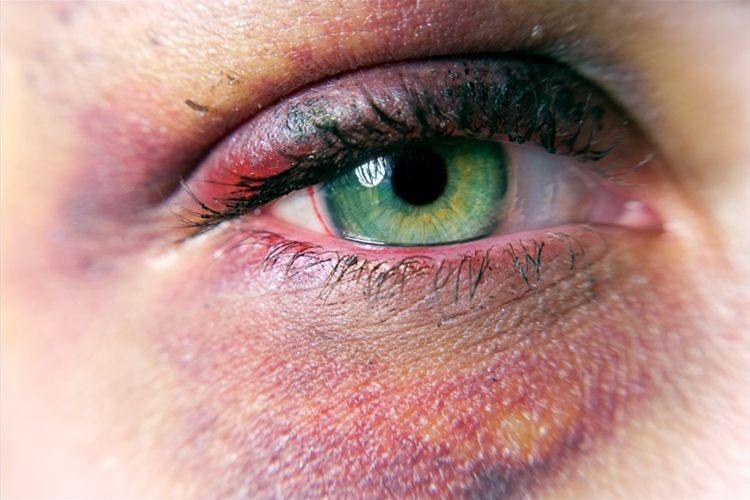
There are different kinds of eye injuries, caused by blunt or perforating objects as well as chemical products. If not treated properly, they could have serious consequences.


Contact us or request an appointment with our medical team.



 Request an appointment